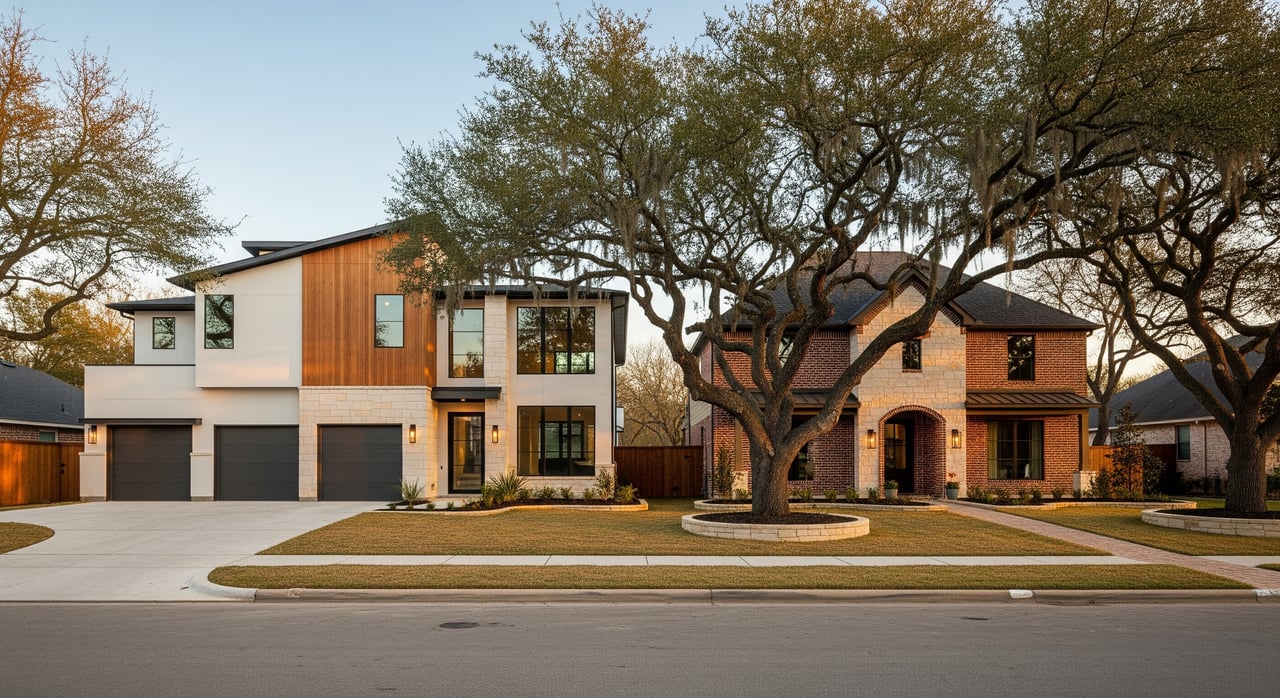
Trying to decide between a new build and a resale in Tomball? You’re not alone. With active development around the city limits and established neighborhoods throughout Harris County, the choice comes down to what matters most to you: timing, warranty coverage, neighborhood feel, and total cost of ownership. In this guide, you’ll learn the key differences, a simple way to compare costs, and a practical checklist tailored to Tomball. Let’s dive in.
New vs. resale: which fits your goals
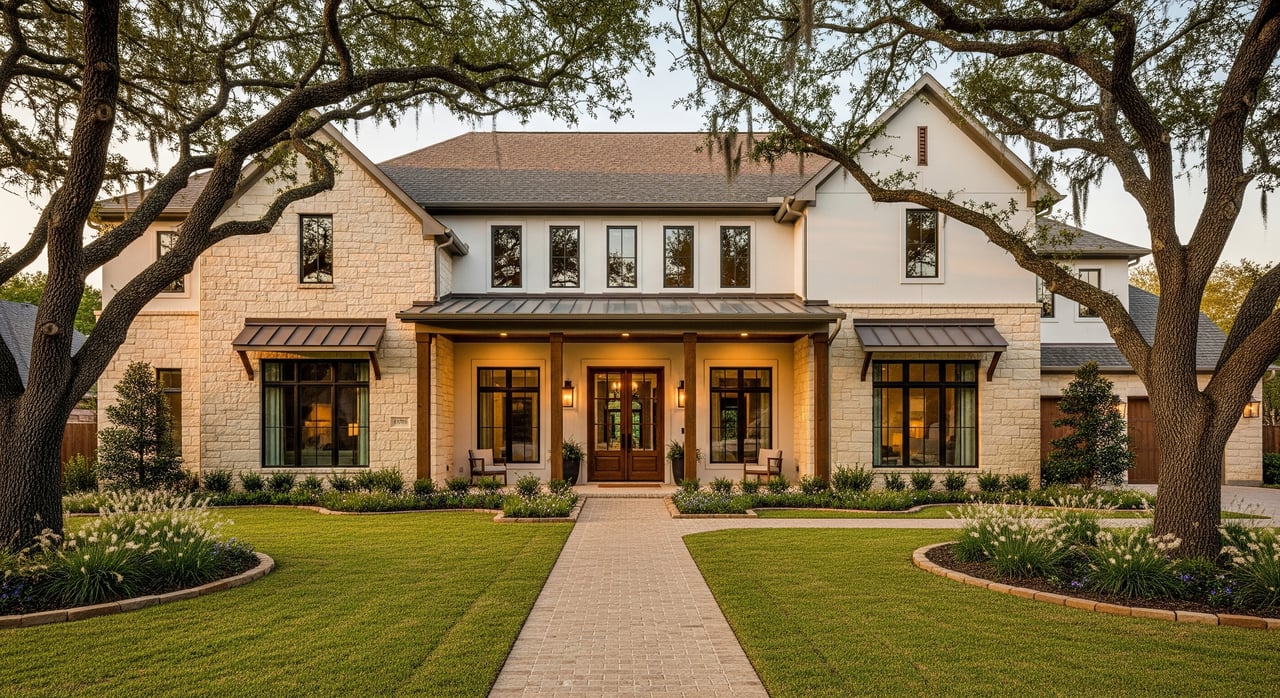
New construction: why choose it
- You want modern systems, energy-efficient features, and a clean maintenance slate.
- Builder warranties cover workmanship, major systems, and structural elements for defined periods.
- You can personalize finishes on build-to-order homes and often get builder incentives on spec or inventory homes.
- Communities typically come with new amenities and consistent design standards.
Resale: why choose it
- You prefer mature trees, finished landscaping, and an established neighborhood character.
- You can evaluate real traffic patterns, noise, and community upkeep right now.
- Price per square foot may be lower in some established pockets, though condition varies widely.
- Larger lots or unique layouts may be more accessible in older subdivisions.
Price per square foot in Tomball
Price per square foot is a useful starting point, not the final word on value. New builds often show higher per-square-foot prices because they include newer systems, builder overhead, and lot premiums. Resale pricing reflects location, renovations, and potential deferred maintenance.
To compare apples to apples in Tomball:
- Use living area only when calculating price per square foot. Exclude garages and unfinished spaces.
- Adjust for lot type and size. Corner lots, cul-de-sacs, and premium views change effective value.
- Account for upgrades. Builder packages and renovations can swing price per square foot by a large margin.
- Estimate near-term maintenance. Older roofs, HVAC, and plumbing can add costs after closing.
- Focus on effective monthly cost. Combine mortgage, taxes, HOA, MUD or CID assessments, insurance, and maintenance for a full picture.
Neighborhood note: Master-planned communities and gated subdivisions around Tomball may carry lot premiums and active HOA management, which can elevate prices regardless of age.
Warranties and inspections: key differences
Most Texas builders provide tiered coverage that commonly includes a 1-year workmanship warranty, around 2 years for major systems, and up to 10 years for structural coverage. Terms vary by builder and contract, so review documents closely before you sign.
Even new homes deserve independent inspections. Third-party inspectors can catch grading issues, insulation gaps, or mechanical defects that are not obvious during a walkthrough. For resales, budget for general inspections as well as specialty checks as needed. Always document punch-list items in writing and follow the builder’s warranty claim process if you are buying new.
Timelines and move-in speed
- Spec or inventory homes: Typically the fastest path, often closing in weeks to a few months depending on lending and final permits.
- Build-to-order production homes: Usually several months from contract to completion based on builder schedule and material availability.
- True custom builds: The longest path, often many months to a year or more depending on scope and permitting.
Local factors like lot availability, Harris County permitting, and labor or supply conditions in Greater Houston can influence timing, so confirm the schedule before you commit.
Monthly cost beyond the sticker price
Price is only one piece of the puzzle. Your monthly cost in Tomball often includes:
- Mortgage payment based on price, down payment, interest rate, and loan type.
- Property taxes assessed at the county level and, where applicable, MUD or CID taxes.
- HOA dues and any special assessments.
- Home insurance and flood insurance if required by your lender.
- Estimated maintenance. New systems may lower near-term costs, while older homes may require immediate updates.
Example: effective monthly cost comparison
This simple illustration shows how to compare homes beyond price. Numbers are hypothetical for comparison only.
- New build at 420,000 with HOA of 80 per month, estimated maintenance of 0.5 percent per year.
- Resale at 395,000 with HOA of 35 per month, estimated maintenance of 1 percent per year.
- Assume the same down payment, interest rate, insurance estimate, and similar tax rate for both.
Even if the new build’s purchase price is higher, lower expected maintenance and builder coverage could narrow the monthly difference. On the flip side, a resale with a lower price per square foot may still cost more month to month if it has higher maintenance, higher taxes, or elevated HOA fees. The takeaway is simple: stack the full monthly costs side by side before deciding.
HOA, MUD, and CID: what to check in Tomball
Many Tomball-area developments use HOAs, and newer communities in unincorporated areas are often within MUDs or CIDs. These can add meaningful recurring costs and rules.
Review before you commit:
- HOA covenants and rules for architectural controls, amenities, and rental policies.
- Current HOA dues, what is included, and any planned special assessments.
- MUD or CID tax rates, bond obligations, and any separate assessments.
- The full disclosure package from the seller or builder so you know the financials and governance.
Neighborhood feel, schools, and commute
Established Tomball neighborhoods offer mature trees, finished yards, and a known community vibe. Newer subdivisions provide modern layouts, new infrastructure, and amenities, but it can take time for landscaping and the broader community feel to mature.
For schools, verify attendance zones through Tomball ISD for each specific address. Commute patterns along SH 249 and FM 2920 influence daily life and resale prospects, so drive the route during your typical peak times.
How to decide: a Tomball-ready checklist
Use this quick list to compare options on equal footing:
- Pull recent sold comparisons for new vs. resale in your target neighborhoods over the last 3 to 6 months.
- Ask for the builder’s full warranty document, exclusions, and sample closing packet.
- Confirm HOA, POA, CID, and MUD documents with current dues and tax schedules.
- Order independent inspections for any home you consider. Document punch-list items before closing.
- Calculate effective monthly cost, not just price per square foot.
- Verify school zoning for the specific address and test your commute at peak times.
- For new builds, review the lot’s grading and drainage plan and how the builder addresses lot-specific issues.
Work with a local guide
You do not have to navigate this decision alone. If you want a clear comparison of new construction and resale options in Tomball, including up-to-date neighborhood comps, HOA and MUD details, and a side-by-side monthly cost breakdown, reach out. With a patient, consultative approach, I will help you narrow choices, negotiate smartly, and move with confidence. Ready to talk through your plan? Connect with Logan Poorman.
FAQs
What builder warranties should I expect in Texas?
- Most builders offer about 1 year of workmanship coverage, roughly 2 years for major systems, and up to 10 years for structural elements. Always read the specific warranty terms.
Is a resale home always cheaper per square foot in Tomball?
- Not always. Desirable established areas can command higher prices, while new builds may carry premiums for modern systems and finishes. Compare on total monthly cost.
Will HOA, MUD, or CID fees significantly impact my costs?
- They can. These fees and tax assessments often add meaningful monthly and annual expenses, so review current schedules and any upcoming changes before you buy.
Do I need an inspection if I buy a new construction home?
- Yes. Independent inspections often catch issues that can be addressed before closing or under the builder’s warranty. Always document items in writing.
How soon can I resell a new construction home if plans change?
- Timing depends on market conditions, neighborhood demand, and inventory at the time of sale. Consider warranty transferability and local supply when planning your exit.