Picture bigger backyards, quiet streets, and weekend strolls through a historic shopping district. If you are weighing a move to Spring in northern Harris County, you likely want space, convenience, and a practical plan for schools and commuting. This guide gives you a clear, on-the-ground view of daily life in Spring so you can decide if it fits your goals. You will learn about neighborhoods, housing costs, commutes into Houston, parks, and smart buyer steps for this part of the metro. Let’s dive in.
Where Spring fits in Greater Houston
Spring is an unincorporated community and census-designated place in northern Harris County within the Houston metro. It blends established neighborhoods, newer master-planned communities, and a walkable historic district known as Old Town Spring. As Greater Houston has grown north, Spring has expanded with new housing and commercial options.
The community’s suburban character stands out. Compared with many inside-the-Loop areas, you generally see larger lots, more yard space, and neighborhood-focused design. You also benefit from access to major corridors that connect you to job centers across the region.
Neighborhoods and housing at a glance
What you will find
Spring’s housing stock is broad. You will see:
- Single-family homes in established subdivisions
- Master-planned communities with amenities
- Townhomes and apartments near major corridors
- Older ranch-style and mid-century homes in select pockets
- New construction on the outskirts where development continues
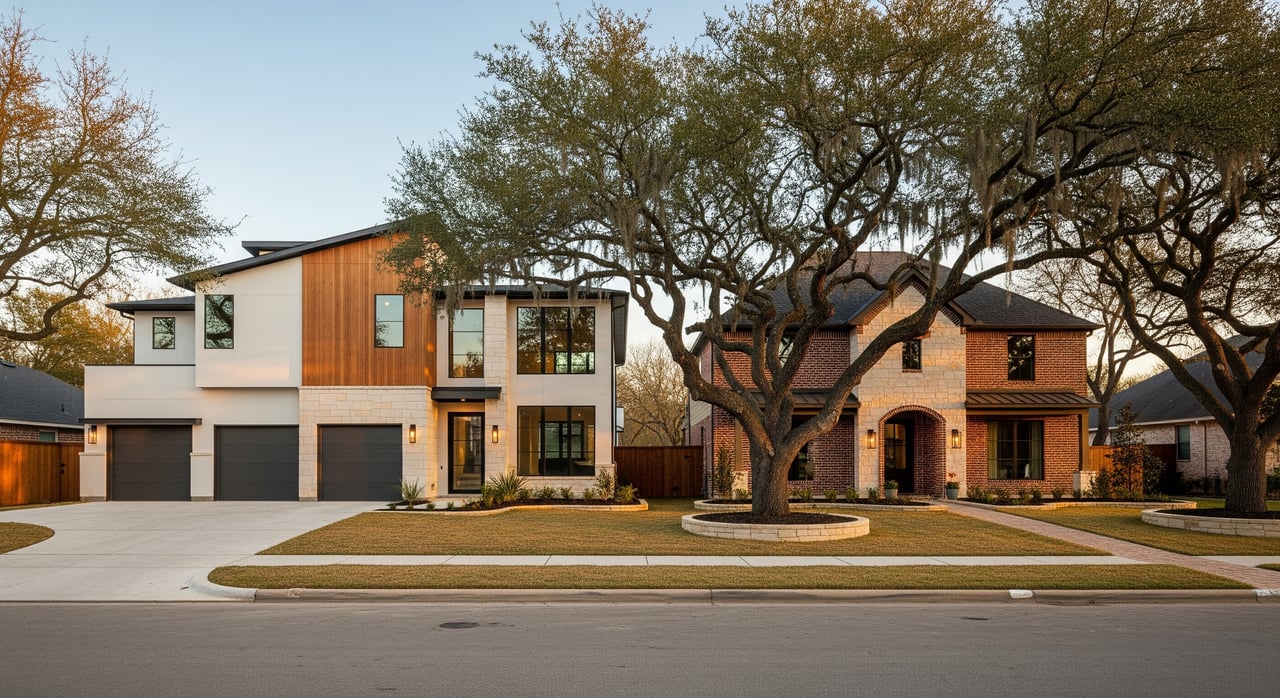
This mix makes Spring appealing if you want options across home age, architecture, and neighborhood feel. Many communities prioritize sidewalks, parks, and local recreation.
Lot sizes and outdoor living
If yard space is on your wishlist, Spring often delivers. Many neighborhoods offer larger lots than you will find in central Houston. That extra space supports outdoor play, pets, gardening, or a future pool, depending on the subdivision and HOA rules.
New builds vs. established areas
- Newer builds tend to cluster near expanding corridors and master-planned communities. You may see modern floor plans, open living, and energy-conscious features.
- Established neighborhoods often offer mature trees, classic layouts, and a stable community rhythm. Homes may be candidates for thoughtful updates.
Your best fit depends on how you balance convenience, character, and maintenance preferences.
Costs that shape your monthly budget
Spring sits in unincorporated Harris County, where buyers often encounter Municipal Utility Districts (MUDs) and homeowners associations (HOAs). These affect your long-term costs.
Key considerations:
- Property taxes. Harris County property taxes are a significant part of your payment. Review the most recent tax bill for any property you consider.
- MUD taxes and fees. Many neighborhoods rely on MUDs for water, sewer, and drainage. MUDs can levy taxes and fees to fund infrastructure and bond obligations.
- HOA dues. Community amenities and neighborhood maintenance are typically funded through annual dues.
The market in Spring moves with the broader Houston area. Pricing is competitive within the northern suburbs. For current numbers, plan to review local MLS data and recent neighborhood sales during your home search.
Schools and education basics
Spring is served primarily by Spring Independent School District. Boundaries overlap in parts of the area, so some addresses fall into Klein ISD or Conroe ISD. Always verify attendance zones by address on district websites and review Texas Education Agency accountability reports for the latest information. Private and charter options exist across the metro as well.
Because school boundaries can cross neighborhoods, confirm zoning early in your search. If schools are a priority for you, add district verification and campus research to your first round of due diligence.
Parks, recreation, and weekend life
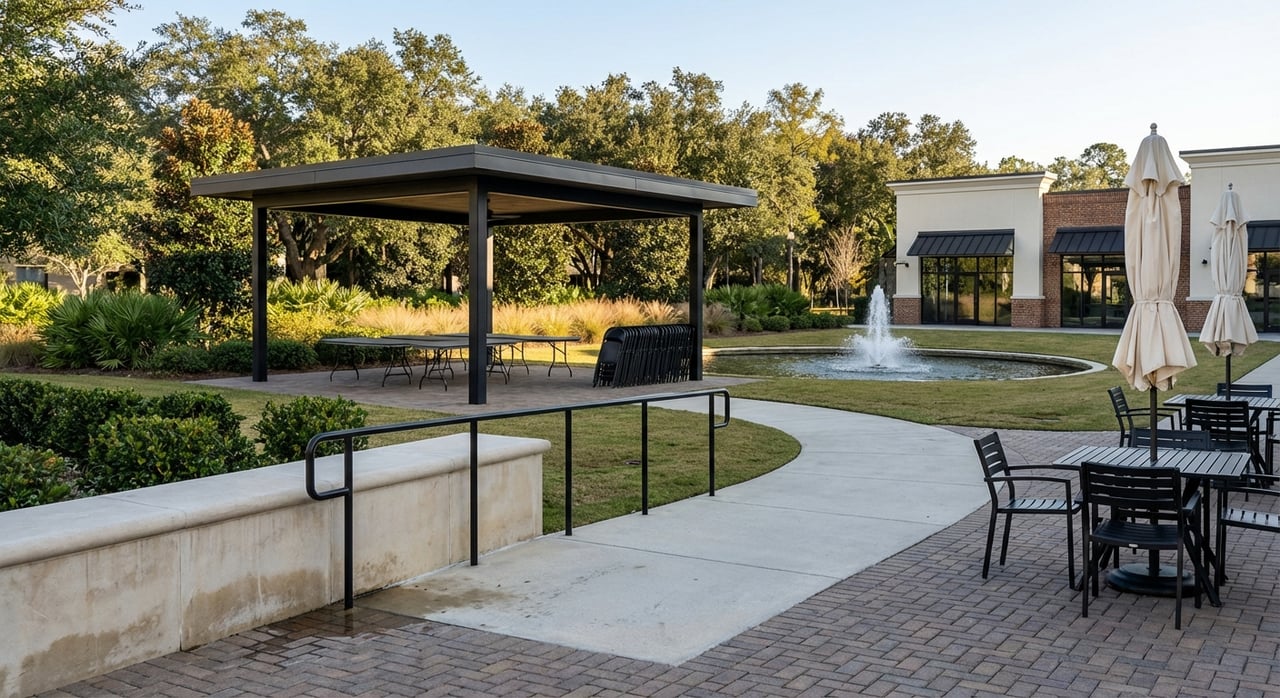
Spring offers a mix of local parks, community green spaces, and quick access to regional amenities. Families use neighborhood playgrounds, trails, and sports fields during the week. On weekends, you can reach larger parks and greenways within a short drive.
A favorite local highlight is Old Town Spring, a historic district with shops, seasonal festivals, and pedestrian-friendly streets. It functions as a community hub and a fun weekend outing. For expanded dining, shopping, and entertainment, you are close to nearby hubs such as The Woodlands and northwest Houston.
Grocery stores, national retailers, and service businesses are found in neighborhood centers across Spring. You can handle weekly routines close to home, and drive 15 to 30 minutes for specialty shopping and entertainment depending on where you live.
Commuting and getting around
This is an auto-oriented area. Many residents drive to jobs throughout the Houston region. Common destinations include downtown Houston, The Woodlands, the Energy Corridor, and the Galleria.
Major routes:
- I-45 is the primary southbound corridor to downtown Houston.
- The Grand Parkway (SH 99) helps with east-west and circumferential trips.
- Additional state highways and frontage roads connect subdivisions to main corridors.
Traffic patterns vary by time of day, weather, and your exact starting point. Peak-hour congestion is common at major interchanges and approaches to the core. Regional transit and park-and-ride services exist in the Houston area, but availability and routes depend on your location, and many Spring residents still rely on private vehicles.
Smart commute planning tips:
- Test your drive to your target workplace during peak hours.
- Monitor live traffic tools at different times of day to compare routes.
- Consider hybrid or flexible schedules if your employer allows it.
- If you work in The Woodlands or nearby business parks, weigh proximity to shorten daily travel.
Healthcare and daily essentials
You will find clinics, urgent cares, and specialty providers around Spring, with major hospitals and comprehensive care hubs nearby in The Woodlands and northwest Houston. When you narrow your neighborhood list, identify the closest emergency department and preferred primary care network based on your address.
Flood risk, drainage, and due diligence
Spring is in a region where heavy rainfall and tropical systems can lead to flooding. Flood risk can vary by neighborhood and even by lot.
Build these steps into your process:
- Review FEMA flood maps for your shortlist addresses.
- Check Harris County Flood Control District resources for local drainage context.
- Ask for a property-specific flood elevation certificate and any available flood history.
- Obtain quotes for flood insurance if a home is in or near a floodplain.
By addressing flood and drainage early, you reduce surprises during inspections and underwriting.
What to budget beyond the mortgage
To understand the full cost of living in Spring, include these recurring items in your monthly budget:
- Property taxes (review the latest bill)
- MUD taxes and utility fees
- HOA dues where applicable
- Flood insurance if required or recommended
- Commuting costs such as fuel and tolls
A buyer’s checklist for Spring
Use this simple sequence to keep your search on track:
- Define your must-haves. List top priorities such as yard size, commute, and schools.
- Map your likely commute. Test drive at rush hour and compare route options.
- Verify school zones by address. Add district and campus research to your plan.
- Review taxes and fees. Pull the latest property tax bill, HOA dues, and MUD details.
- Assess flood risk. Confirm FEMA zone, request elevation data, and get insurance quotes.
- Compare neighborhoods in person. Visit at different times of day and speak with locals.
- Align the budget. Include mortgage, taxes, MUD, HOA, insurance, and commuting costs.
- Move fast but smart. When you find the right home, be ready with a clear offer strategy.
Is Spring the right fit for you?
If you want suburban living with room to breathe, access to major job corridors, and a mix of established and new neighborhoods, Spring is worth a close look. You can balance yard space and convenience while staying connected to the larger Houston area. With a thoughtful plan for schools, commute, taxes, and flood risk, you can buy with confidence.
When you are ready to explore homes and narrow your options, reach out for local guidance. With a consultative, patient approach and JPAR-backed resources, Logan Poorman can help you compare neighborhoods, verify the details that matter, and move forward with clarity.
FAQs
How is the commute from Spring to major Houston job centers?
- Most residents drive, often using I-45 and the Grand Parkway, and commute times vary widely by your exact address, destination, and time of day; test your route during peak hours.
Which school districts serve Spring addresses?
- Spring is primarily served by Spring ISD, with some addresses zoned to Klein ISD or Conroe ISD; verify school boundaries by address on district sites and consult TEA reports.
Do I need flood insurance for a home in Spring?
- Flood risk varies by property; check FEMA maps, review Harris County flood resources, request an elevation certificate, and obtain insurance quotes for homes in or near floodplains.
What are MUDs and how do they affect costs?
- Many Spring neighborhoods are in Municipal Utility Districts that provide water, sewer, and drainage; MUDs can add taxes and fees, so include them in your monthly budget.
What types of homes and lot sizes are common in Spring?
- You will find single-family homes in established and master-planned communities, plus townhomes and apartments, with many neighborhoods offering larger lots than inner-city areas.
Where do residents go for shopping and healthcare?
- Daily needs are met by local centers across Spring, while larger retail and major hospitals are nearby in hubs such as The Woodlands and northwest Houston; locate providers based on your address.